 Reviews

 Proudly American
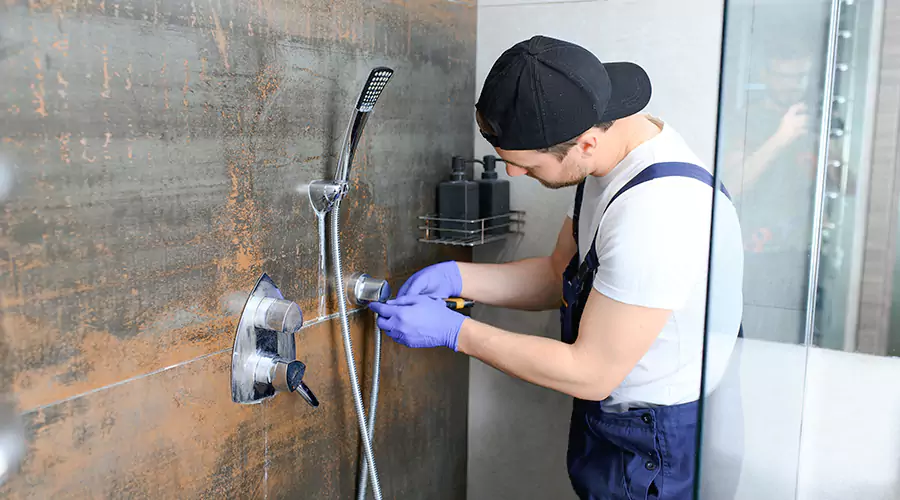
Bathroom plumbing leaks can be deceptively damaging. Unlike obvious leaks under sinks or around toilets, hidden leaks may go unnoticed for weeks or even months, silently causing water damage, mold growth, and rising utility bills. Because these leaks often occur behind walls, under floors, or inside cabinets, early detection is essential to protect your home, save water, and prevent costly repairs.
This guide explains how to detect hidden bathroom plumbing leaks, common causes, warning signs, preventive measures, and the importance of professional plumbing services.
Why Hidden Bathroom Leaks Are Dangerous
Hidden leaks can lead to a variety of serious problems in your home:
- Water Damage: Persistent leaks can damage walls, ceilings, subflooring, and cabinets. Over time, this can compromise structural integrity.
- Mold and Mildew Growth: Moist environments encourage mold and mildew, which affect indoor air quality and can trigger health issues.
- Structural Problems: Leaks under floors or behind walls can weaken subflooring, tile adhesion, and cabinetry.
- Increased Water Bills: Constant water loss adds up, increasing utility costs.
- Pipe Damage: Long-term leaks can corrode copper or PVC water pipe installations, leading to more extensive repairs.
Because these leaks are often concealed, homeowners must be vigilant and proactive to catch them early.
Common Causes of Hidden Bathroom Leaks
Understanding what triggers hidden leaks can help prevent damage:
1. Leaky Faucets and Shower Valves
Worn washers, seals, or O-rings can cause slow, persistent leaks. Water may seep unnoticed into walls, vanities, or cabinets, creating hidden moisture problems.
2. Faulty Toilet Components
Cracked tanks, deteriorating flappers, or failing seals can leak water into the floor. Wax rings beneath the toilet may fail, causing leaks at the base that can go unnoticed until significant damage occurs.
3. Shower and Bathtub Plumbing
Leaks behind tiles often result from cracked grout, missing caulking, or damaged pipes. Water can penetrate walls and subflooring without visible signs, creating a hidden hazard.
4. Corroded or Aging Pipes
Copper or PVC water pipe installations may corrode, crack, or develop pinhole leaks over time. Pipes behind walls or under floors may leak silently for extended periods, causing hidden water damage.
5. Loose Connections or Fittings
Supply lines, valves, and joint fittings can loosen over time. Even minor drips can accumulate damage, especially if left unaddressed.
Warning Signs of Hidden Bathroom Leaks
Homeowners should watch for subtle indicators:
- Unexplained water stains on walls, ceilings, or floors
- Damp, warped, or soft flooring around sinks, bathtubs, or toilets
- Musty odors or visible mold/mildew in cabinets or corners
- Constant running toilet water or unusually high water bills
- Bubbling paint or wallpaper near plumbing fixtures
Recognizing these signs early can prevent extensive damage and reduce repair costs.
Methods to Detect Hidden Bathroom Leaks
There are several effective ways to find concealed leaks:
1. Check the Water Meter
Turn off all faucets and appliances, then monitor your water meter. Movement indicates a hidden leak somewhere in the system.
2. Inspect Under Sinks and Cabinets
Look for damp spots, mold, or corrosion on supply lines and fittings. Check copper or PVC water pipe installations for pinhole leaks or corrosion.
3. Perform a Toilet Leak Test
Add a few drops of food coloring to the toilet tank and wait 15–30 minutes without flushing. Colored water in the bowl signals a leak in the flapper or internal seals.
4. Examine Tile and Grout
Check for cracks, missing grout, or gaps in shower and bathtub tile areas. Damaged grout may allow water to seep into walls or subflooring.
5. Listen for Unusual Sounds
Dripping, gurgling, or running water sounds behind walls or under floors may indicate hidden leaks.
Preventive Tips for Homeowners
Homeowners can take proactive steps to reduce the risk of hidden leaks:
- Schedule regular plumbing inspections to detect leaks early
- Replace worn faucets, shower valves, and toilet components promptly
- Seal grout and caulking around tubs and showers annually
- Maintain supply line connections and inspect water pipe installations for corrosion
- Install leak detectors near high-risk areas for early alerts
Why Professional Plumbing Services Are Important
Professional plumbers bring expertise and specialized tools that homeowners often lack:
- Accurate Detection: Use of cameras or moisture sensors to find hidden leaks behind walls or under floors
- Safe Repairs: Proper repair or replacement of damaged pipes, valves, or fixtures
- Maintenance: Ensuring copper, PVC, or PEX water pipe installations remain intact and leak-free
- Preventive Advice: Recommendations to avoid recurring leaks and protect your home from water damage
Professional inspections are often the most reliable way to identify leaks invisible to the untrained eye.
Conclusion
Hidden bathroom plumbing leaks may seem minor, but they can cause significant water damage, mold growth, structural issues, and costly repairs if left unaddressed. Common causes include worn faucets, faulty toilets, damaged shower plumbing, corroded pipes, and loose fittings.
By monitoring warning signs, performing simple tests, and scheduling professional plumbing inspections, homeowners can protect their home, save water, and maintain the integrity of their copper or PVC water pipe installations. Regular vigilance and timely action are the keys to preventing hidden leaks from escalating into major problems.
Inspect your bathroom plumbing regularly and act promptly at the first sign of a hidden leak to safeguard your home and plumbing system.